
Western Australia
Perth: Perth CBD & Northbridge
Perth CBD · Northbridge
- 170 players at once
- 23 rooms

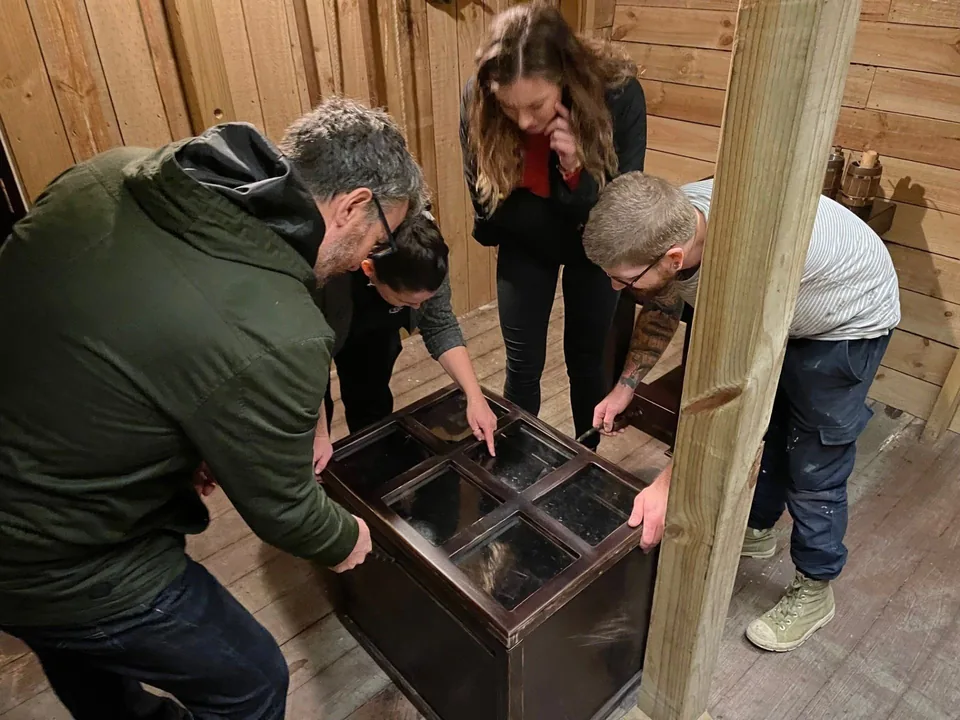
Mix a new intake into small teams, give them one clock and no instructions, and watch who notices, who organises and who speaks up.
In short: For graduate intakes and inductions, Team Escapes puts new starters into Escape This rooms in small teams. They have to share information and divide the work under a 60-minute clock, while your own facilitator (or one Escape This arranges) observes and then leads the debrief.
A graduate intake is a room full of people who don't yet know how each other work. An escape room fixes that quickly: small mixed teams, no instructions and a clock, so people have to introduce themselves through the work rather than through an icebreaker.
Because Escape This rooms run from two players and most take up to eight, you can mix the intake by discipline, office or assessment group and keep every team small enough that nobody can hide.

Most organisations bring their own facilitator or graduate lead to observe and run the debrief, which is how it usually works. If you would rather not, ask and Escape This will arrange one.
Game masters watch every room and send clues when a team asks. The clues each team used and its finishing time give the debrief concrete moments to start from, and the complimentary Workplace Bonding Challenge adds a short questionnaire on how each person tends to solve problems and communicate.
Perth CBD · Northbridge


What happened, and what the team said about it. With Team Escapes, every team finishes with an escape result, a time and a count of clues used, and the debrief adds observations about who shared information, how the work was split and how decisions were made. The free Workplace Bonding Challenge adds a short questionnaire on each person’s problem-solving and communication style.
Yes. Most organisations bring their own facilitator, coach or team lead to observe the game and run the debrief afterwards. If you would like Escape This to arrange a facilitator instead, ask when you enquire.
Small. Most Escape This rooms take two to eight players, and for an intake that you want to observe, teams of four to six give everyone a part to play. The bookings team will suggest a mix of rooms that adds up to your intake.
As an observed group exercise, yes. Your assessors watch how candidates share information, organise themselves and react to setbacks under a 60-minute clock. Escape This runs the room and the clues; scoring and decisions stay with your assessors.
Team Escapes usually suggests the adventure rooms, which have no scares and are recommended for younger players, so nobody is put off. Perth CBD and Manly are adventure-only venues; elsewhere the bookings team will keep a graduate group out of horror rooms if you ask.

Send your city, date and headcount, and the Escape This bookings team will come back with rooms, start times and a quote.